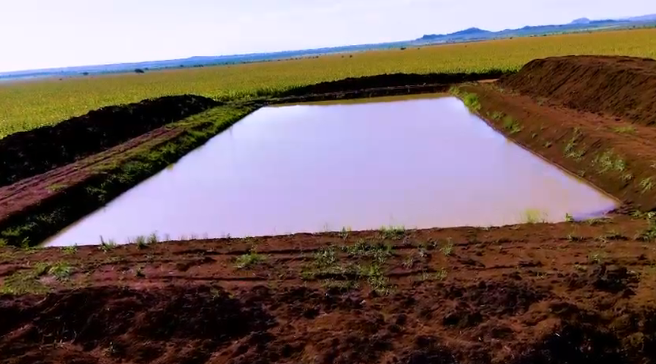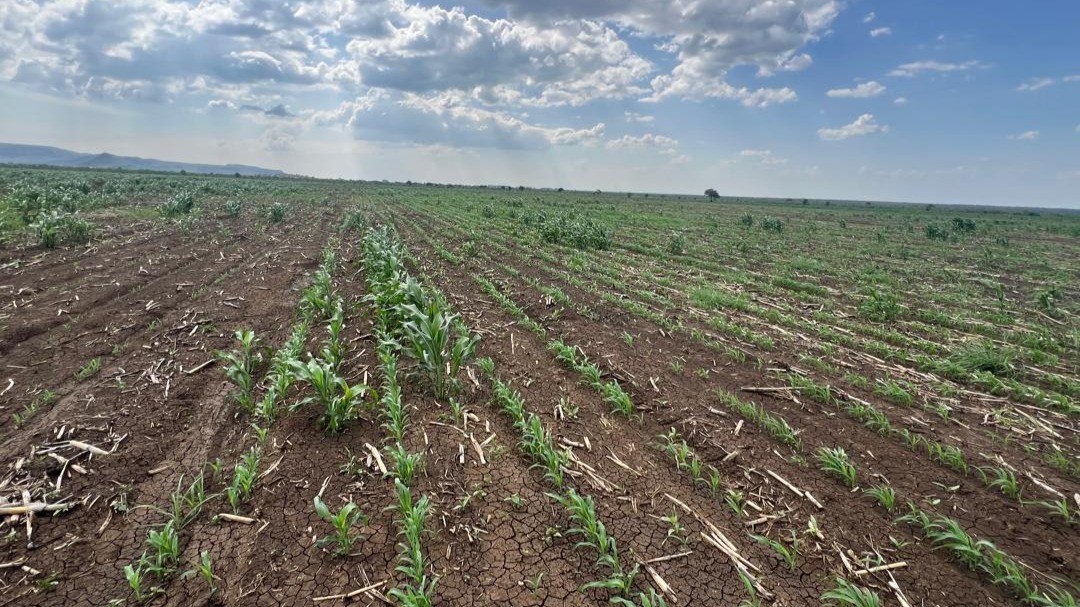
The rains continue to fall abundantly across our part of the Karamoja agroecological zone, presenting both an opportunity and a painful lesson for farmers.
After nearly five months of prolonged drought, we are now experiencing sustained rainfall. This reinforces my conviction that modern weather forecasting technology must be complemented by indigenous knowledge and careful observation of nature's seasonal signals.
Nature follows patterns, even when those patterns are increasingly disrupted by climate change. Just as gravity reminds us that what goes up must eventually come down, seasonal changes remind us that droughts and rainy periods are part of recurring natural cycles. However, their timing, duration and intensity are becoming increasingly unpredictable.
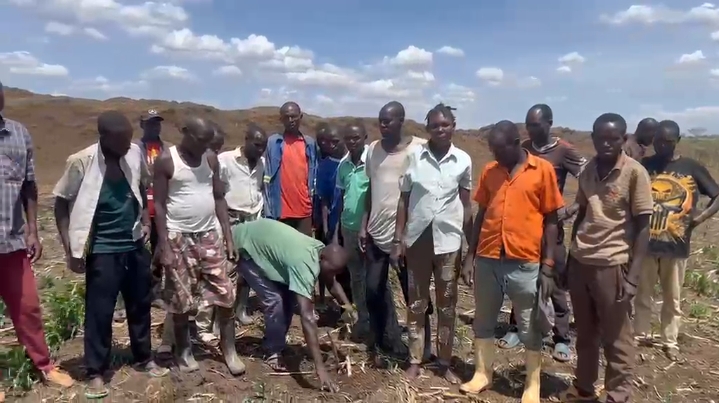
During my recent stay on the farm, I observed grasses sprouting, trees producing succulent leaves and others flowering—natural indicators traditionally used by our communities to anticipate seasonal changes. These observations suggested that the rains might be approaching, even after months of drought.
Unfortunately, many smallholder farmers missed the opportunity to prepare and plant ahead of the rains. Those now attempting to plant are effectively racing against the rainfall.
Planting under excessively wet conditions creates additional challenges, including poor seed placement and spacing, soil compaction from machinery and field traffic, and difficulties maintaining appropriate planting depth. These conditions can compromise crop establishment and ultimately reduce yields.
The consequences extend beyond individual farms. Missed planting opportunities threaten household food security, agricultural incomes and the availability of food in the coming season.
The lesson is clear: we must combine the predictive power of modern meteorological technology with the accumulated wisdom of indigenous knowledge.
At GVM Company Ltd, this experience reinforces our commitment to developing localized weather monitoring and early-warning systems adapted to the unique microclimatic conditions of the Karamoja agroecological zone.
Farmers need more than seasonal rainfall forecasts. They need timely, location-specific and actionable information that helps them determine when to prepare land, when to plant and when to undertake critical crop-management activities.
Our ancestors learned to read nature. Modern science gives us powerful tools to understand it more precisely. The future of climate-smart agriculture lies in bringing these two knowledge systems together.